

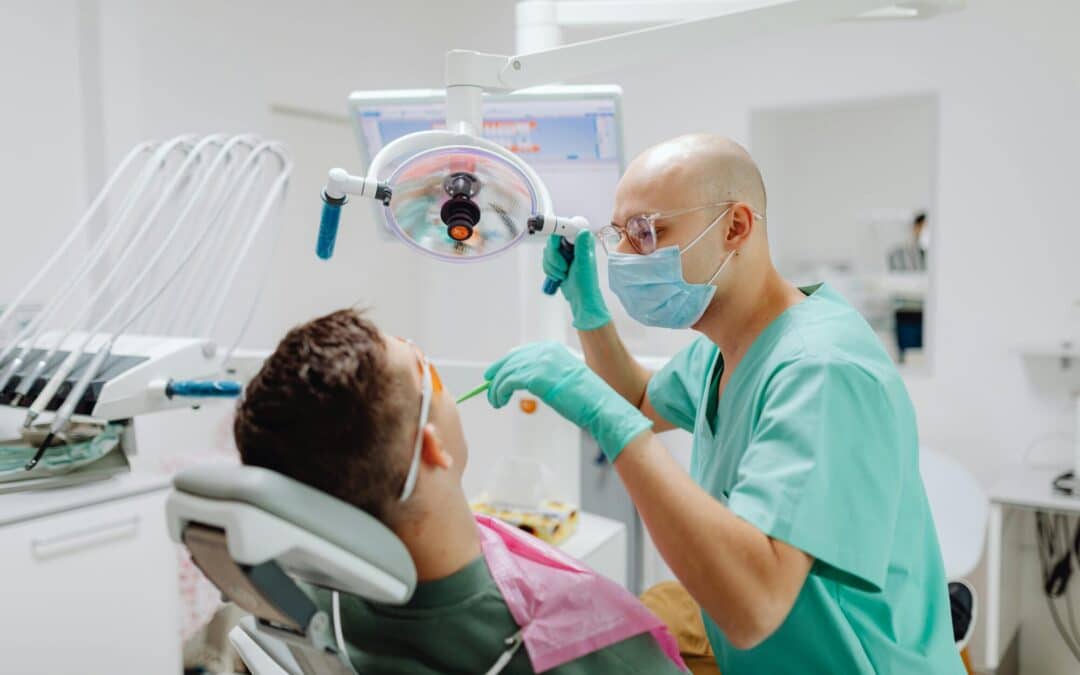
Dental implants with gum disease are possible, but only after the condition is properly treated and controlled. Most patients need periodontal therapy first, followed by a professional evaluation to confirm that the gums and jawbone are healthy enough to support implants. With the right care plan and consistent oral hygiene, many people with a history of gum disease can still achieve long-term implant success.
Did you know that nearly 42 percent of adults aged 30 and older in the U.S. have some form of periodontal disease, according to the CDC? If you’re dealing with gum issues and missing teeth, you might be wondering if implants are still an option. The good news is that they often are – with the right preparation.
Dental Implants Explained
Dental implants serve as a permanent solution for missing teeth, designed to look and function like natural ones. The process involves placing a titanium post into the jawbone, providing a sturdy foundation for artificial teeth. For many, dental implants represent a new dawn of oral health, significantly improving the quality of life.
Understanding Gum Disease
Gum disease – also known as periodontal disease-can vary from mild inflammation to more severe forms that can destroy not only gum tissue but also the jawbone. Here are the stages of gum disease:
- Gingivitis: The early stage, which is often reversible with good oral care
- Periodontitis: Advanced gum disease that can lead to tooth loss and bone degradation
- Advanced Periodontitis: The most severe form, where tissues are severely damaged
Can Patients with Gum Disease Get Dental Implants?
The short answer is: Yes, but there are crucial considerations. First and foremost, your gum disease needs to be assessed and ideally treated before considering dental implants.
Treatments can include deep cleanings, scaling, and root planing. In some cases, advanced periodontal therapy might be necessary to restore gum health.
The Pathway to Successful Dental Implants
Achieving a successful procedure when you have gum disease typically follows several steps. They are:
- Consult with a dentist in Florida who specializes in gum disease and dental implants
- Undergo necessary treatments to manage or eliminate gum disease, ensuring a healthy environment for implants
- Follow postoperative care instructions meticulously after implant placement to maintain gum health
Dental Implants with Gum Disease -Postoperative Care
Once you receive dental implants, ongoing dental hygiene is crucial. Here are a few tips:
- Brush teeth and implants at least twice a day
- Floss daily to remove plaque buildup
- Use antibacterial mouthwash as directed
By adhering to these guidelines, you help ensure that your implants and gums remain healthy over time.
Treatment for Gum Disease
Dental implants with gum disease can be a problem, but consulting with a skilled dentist in Florida can provide you with personalized options tailored to your individual needs.
At Tarpon Shores Dental, we combine clinical expertise with a genuinely compassionate approach to create a comfortable, patient-focused experience. Our team delivers personalized care plans designed to support long-term oral health, not just quick fixes. We offer a full range of services, so patients can receive comprehensive treatment all in one place, with consistency and attention to detail at every step.
Get in touch today to find out how we can help with your dental health.
Recent Comments